Commercial HVAC Maintenance Tips for Dallas–Fort Worth Property Managers
What property managers should check on commercial and rooftop HVAC equipment before summer heat and winter fronts in DFW.
By Blueth LLC
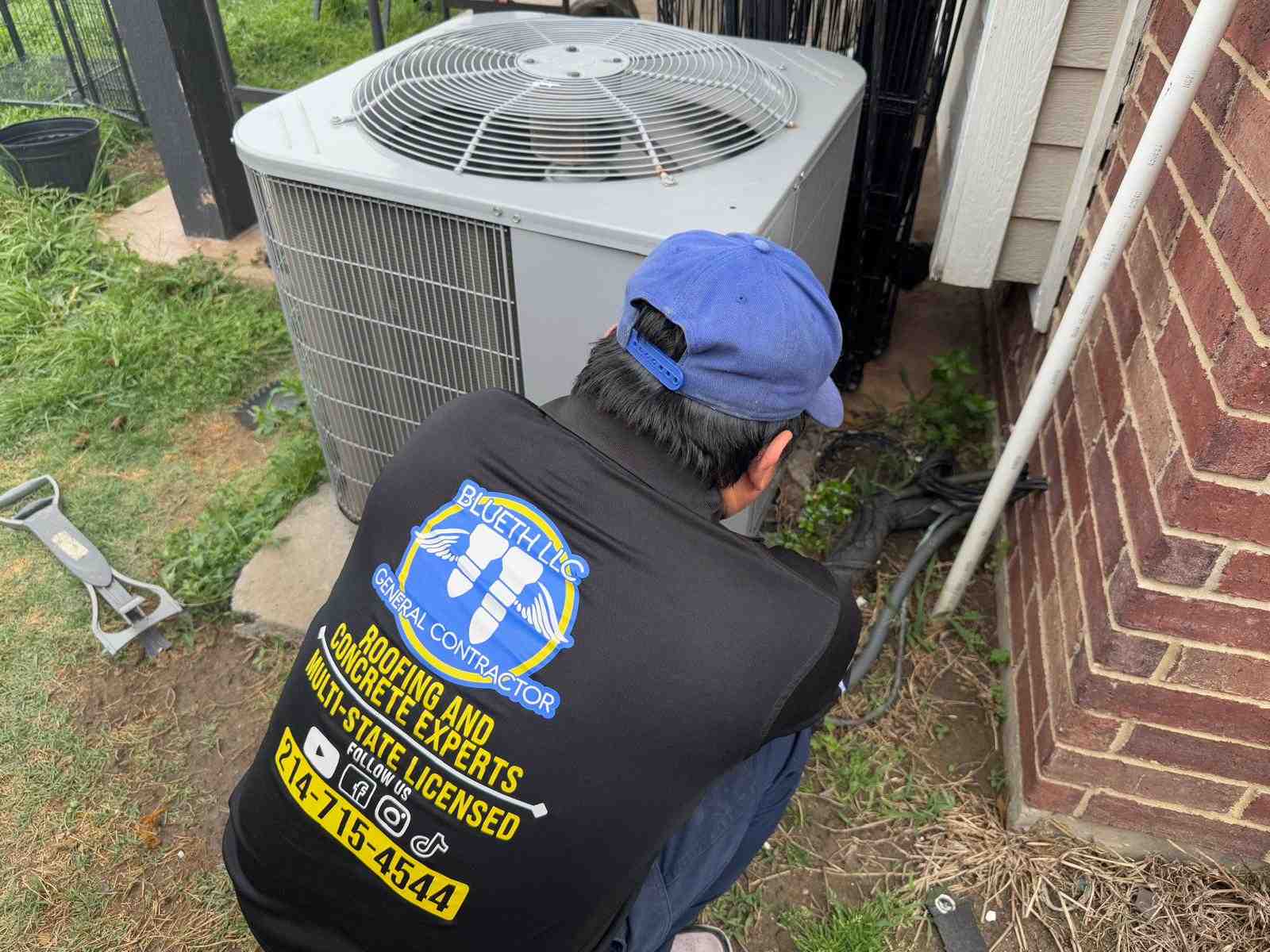
Commercial HVAC maintenance in DFW is a property-management problem as much as a mechanical one. Rooftop units sit on the same membrane that keeps the building dry. Condensate that is supposed to leave through a drain sometimes leaves across the roof or through a ceiling. And the first 100-degree week does not create neglected filters and failed drains. It only reveals them.
Blueth LLC's HVAC work is commercial and tied to construction and property improvement: reviewing rooftop equipment, visible conditions, access, and the requested scope, including coordination when roofing and equipment are part of one project. The HVAC service page states that boundary plainly. This article is the owner's checklist around that work, not a claim that a roofing and construction crew replaces your mechanical service agreement.
Indoor comfort and indoor air are related. The EPA's indoor air quality overview is a sober place to read why ventilation and cleanliness matter inside a building. The maintenance steps below are the site-level habits that keep equipment and the roof from working against each other.
Know what is on the roof before the season starts
Make a simple equipment list: unit count, area served if you know it, and whether each unit is a packaged rooftop unit, a split system, or something older you have been meaning to replace. Photograph the nameplates once. The next estimate is faster when someone does not have to guess the tonnage from the parking lot.
Note how technicians reach the equipment. A hatch with a ladder, an exterior caged ladder, or a lift changes the price and the risk of any visit. Also note the condition of the curbs and rails. Rusted rails and sunken curbs are roof findings and equipment findings at the same time.
Walk this list with the roof maintenance plan. The people servicing the units and the people responsible for the membrane need the same map.
Filters, coils, and airflow
Restricted airflow is the quiet reason units run long and still miss setpoint. Filters loaded with dust, construction debris, or a decade of neglected changes make the fan work harder and let the coil run dirty.
For property staff, the safe version of this check is:
- Look at the filter size and the date written on the frame, if anyone has been writing it down.
- Listen for units that short-cycle or never seem to shut off.
- Look at return grilles buried behind stored product. A stockroom pushed against a return is an airflow problem you can see without a gauge.
- After any interior renovation, confirm the mechanical contractor vacuumed debris out of the returns instead of leaving drywall dust in the air stream.
Coil cleaning, refrigerant checks, and electrical diagnostics belong to a qualified technician. Do not treat this article as permission to open a high-voltage compartment. Your job as a manager is to notice the symptoms early and to hire that work before the heat arrives, not to perform it from a blog.
The National Weather Service heat-safety page describes how sustained heat affects people. The same stretches of weather are when marginal cooling equipment is asked to run continuously. Scheduling service in spring, rather than during the first heat wave, is the practical implication.
Condensate and the water you do not want
Cooling produces water. That water is supposed to leave through a trapped condensate line, not through a rusted pan onto the roof or down the curb into the building.
On a walk-through, look for:
- Algae and standing water in a pan you can see without dismantling the unit.
- Staining down a curb or on the ceiling directly below a unit.
- A condensate line that discharges onto the roof membrane with no path to a drain, keeping a patch of roof wet all summer.
- Secondary drain lines that are actively dripping, which often means the primary drain is blocked.
A wet curb is how an HVAC nuisance becomes a roof leak. If you find one, photograph it and put both the mechanical drain and the roof flashing on the work order. Fixing only the ceiling tile guarantees a return visit.
Coordinate every roof penetration
The most expensive HVAC "maintenance" Blueth LLC gets called about is a roof opened for a new line, a new curb, or a unit swap, then left with sealant smeared on the membrane. The equipment may run. The building leaks at the next storm.
Before equipment is changed, write down:
- Who disconnects and sets the unit.
- Who flashes the curb and any new penetrations.
- Who checks the roof the same day, in daylight, before the crew leaves.
- Whether the surrounding membrane is sound enough to tie into, or whether that area of roof should be repaired first.
Commercial roofing and commercial HVAC are both scopes Blueth LLC can review. When they happen on the same roof, ask for one coordinated visit instead of two contractors who never meet. More of the warning signs are in when a commercial roof needs repair.
What to log
Keep the filter dates, the service tickets, and the photos of stains in the same building file as the roof inspections. When a suite is hot and the roof is stained, you want one timeline.
Add HVAC observations to the seasonal building maintenance checklist: noise, comfort complaints, condensate, and any new equipment that touched the roof. Those four lines catch most of the issues that become emergency calls in July.
When to request a consultation
Ask for a commercial HVAC consultation when equipment is failing, when you are planning a replacement, or when rooftop work will open the roof. Share the equipment list, photos of the units and curbs, access limits, and whether the building must stay occupied. Blueth LLC reviews that information and the requested scope before preparing an estimate.
Start with the HVAC service details, or contact the team with the address and photos. If the roof around the equipment is already in question, say that in the first message. The useful scope is the one that covers both the curb and the membrane, not a change order after the first rain.
Questions property managers ask
- Does Blueth LLC replace filters and run seasonal tune-ups as a maintenance contract?
- Blueth LLC provides commercial rooftop HVAC support as part of construction and property-improvement work. The team reviews equipment, visible conditions, access, and the requested scope, and coordinates that work with roofing when both are involved. Day-to-day filter changes may still sit with your staff or your mechanical contractor. Ask for an estimate when the scope is equipment replacement, repair support, or roof coordination.
- Why does rooftop HVAC work cause roof leaks?
- Technicians walk the membrane, open curbs, and set new rails or lines. If the flashing is not restored, the next rain follows the new opening. Any HVAC scope on a roof should include who is responsible for resealing the roof when the mechanical work is done.
- What should property staff check without opening a unit?
- Unusual noise, rooms that never cool or heat, water stains under air handlers, overflowing condensate drains, and blocked return grilles. Those observations are enough to call for service. Staff should not open electrical compartments or climb an unguarded roof.
- How does DFW weather change the maintenance calendar?
- Cooling equipment runs for a long season, and the first hard heat will expose dirty coils, failed capacitors, and dry or blocked drains. A check before that stretch is more useful than a call on the hottest afternoon, when every contractor in the Metroplex is already dispatched.
Related articles
 Guides
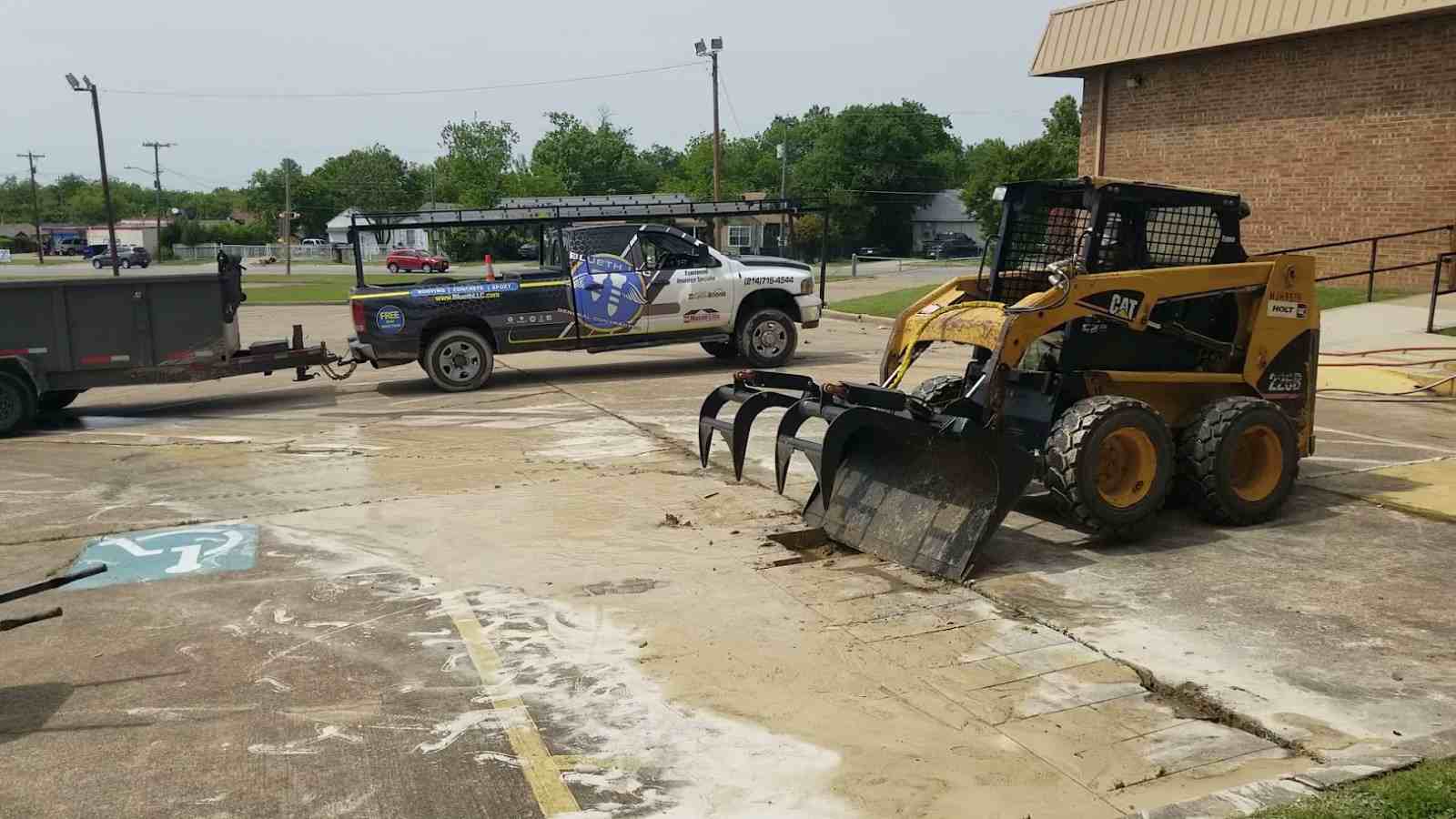
Commercial Building Maintenance Checklist for Property Managers
A seasonal checklist for roofs, drainage, concrete, walls, and rooftop equipment on Dallas-Fort Worth commercial properties.
Read More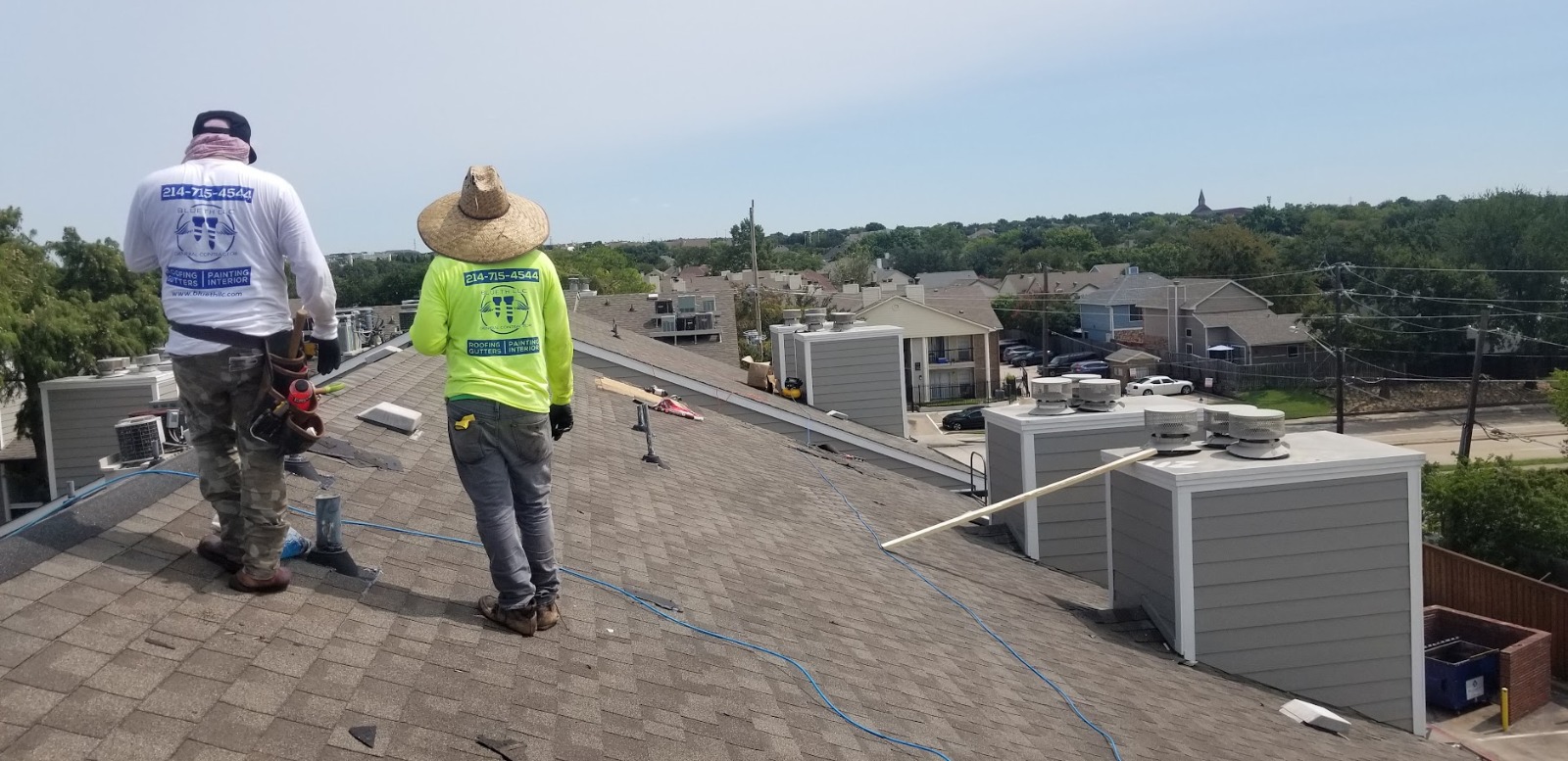 Roofing
Commercial Roofing Maintenance: How to Extend Your Roof's Lifespan
A practical maintenance plan for Dallas-Fort Worth commercial roofs, from drainage and flashings to storm follow-up.
Read More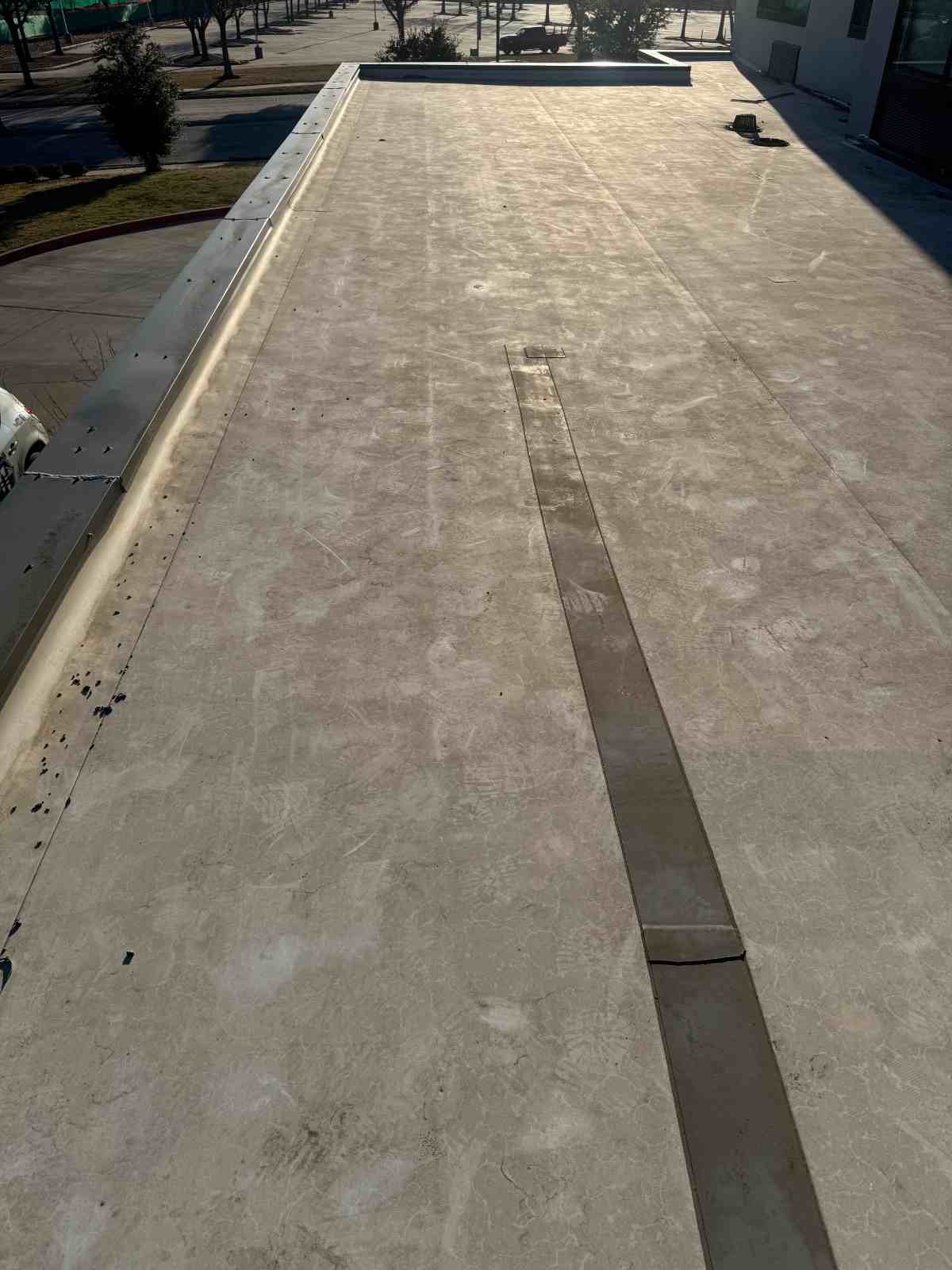 Roofing
How to Know When Your Commercial Roof Needs Repair or Replacement
Learn the key signs of roof damage, what to look for during inspections, and how to extend the life of your commercial roof.
Read More