Commercial Building Maintenance Checklist for Property Managers
A seasonal checklist for roofs, drainage, concrete, walls, and rooftop equipment on Dallas-Fort Worth commercial properties.
By Blueth LLC

Commercial building maintenance in Dallas-Fort Worth is a sequence of small exterior failures that become interior emergencies when nobody writes them down. A strainer full of seed pods, a sidewalk joint that has lifted, a brick sill that stays wet, a condensate line emptying onto a curb: none of these looks like a capital project on a Tuesday. Together they are how a building gets a reputation for leaks.
This checklist is for property managers and owners who want one walk, twice a year, with a few extra looks after storms. It follows the services Blueth LLC actually provides, so each line can turn into a real scope instead of a generic "call facilities." The commercial services page is the menu. The sections below are the inspection.
Use a phone photo and a shared folder named by address. A checklist that lives in one person's memory does not survive a staffing change.
Roof and flashings
The roof is the first system because everything else gets wet when it fails. You do not need to diagnose the membrane. You need a record and a qualified set of eyes.
- Interior stains, and whether they grew since the last rain.
- Debris, blocked drains, and ponding that is still present well after the weather cleared.
- Damaged or open flashings at walls, curbs, and pipes.
- Recent HVAC, sign, or satellite work that may have cut the membrane.
- Edge metal and gutters that overflow down the wall.
Details and timing are in the commercial roof maintenance guide. If water is already inside, use repair versus replacement signs before you buy another bucket. The NRCA roofing guidelines are the industry reference for how these assemblies are supposed to be built and closed.
Schedule roofing and gutter work from the findings, not from a round number in a budget template.
Drainage on the ground
Roof drains are only half the path. Walk the grade after rain.
- Water should leave the foundation, not sit against the storefront or the slab edge.
- Area drains, trench drains, and downspout discharges should be open.
- Irrigation should not spray the wall or the walk all morning.
- A settled panel should not dam water back toward the door.
Ground drainage connects directly to concrete performance. If the walk holds water, move to the next section instead of treating it as a janitorial issue.
Concrete walks, docks, and paving
Look for trip edges, rocking panels, spalls at joints, and slope that has reversed toward the building. Dumpster pads and dock approaches take the hardest loads and usually fail first.
Photograph offsets with a shoe or a ruler in the frame so the next person can see the height, not just the crack. The concrete repair article explains which cracks to watch and which panels to replace. Pricing starts from the concrete service scope: what is there, what the base is doing, and what the new slope needs to accomplish.
Mark public trip hazards the day you see them. A checklist item is not protection if the joint stays unmarked until the pour is scheduled.
Walls, masonry, and cladding
Exterior walls show roof and drainage problems after the fact. Efflorescence, step cracks, spalled brick, and mortar that has receded past the face of the brick are moisture records.
Check sills, hose bibs, and any wall that receives overflow from a gutter. If the roof edge is dumping water onto masonry, fix the water path before you repoint the brick or the new mortar will be wet immediately.
The masonry warning signs go further on cracks and mortar. Masonry repair and siding are separate scopes. Do not assume a crack in brick and a dent in metal panel are the same work order.
Where walls stay wet, indoor moisture follows. The EPA's brief guide to mold and moisture is the plain-language explanation to share with an owner who wants to paint over a stain and move on.
Rooftop equipment
From the ground or from a safe access point, note units that are louder than their neighbors, rooms that never get comfortable, and stains under air handlers. On the roof, with someone qualified to be there, look at curbs, rails, and condensate.
Any new penetration needs a name next to it: who flashed it. Uncoordinated equipment work is a recurring source of commercial leaks. The HVAC maintenance notes and the HVAC service page describe how Blueth LLC approaches rooftop equipment when it is part of a construction scope.
Doors, fencing, and the site edge
A maintenance walk that never leaves the roof will miss the complaints tenants actually file.
- Doors that do not latch or that daylight along the jamb. That can be settlement, hardware, or a slab drop.
- Fencing that is leaning, with gates dragging the ground. Fence repair is straightforward when you catch the posts before they are pulled over.
- Housekeeping at the dock and the dumpster, where debris holds moisture against the slab and the wall.
These items rarely belong at the top of a capital list. They do belong on the checklist so they are not invisible.
After hail or high wind
Add one unscheduled walk. The National Weather Service thunderstorm guidance is a reminder of what those storms carry. On the building, you are looking for bruised roofing, dented metal, broken glazing, and interior stains that were not there the day before.
Photograph before temporary repairs hide the evidence. File the date with the pictures. If you will ask a carrier to look at the loss, that packet matters.
How to turn the list into work
Sort findings into three piles: water entering the building, someone could get hurt, and everything else. Price the first two. Schedule the third.
When several piles point at one corner of the building, hire a contractor who will look at them together. A roof drain, a wet brick wall, and a settled walk are often one drainage story. Hiring notes for Grand Prairie owners explain how to compare scopes so you are not buying three disconnected patches.
Send the checklist and the photos when you want Blueth LLC to price a defined scope. A walkthrough with pictures is enough to start an estimate. A walkthrough with no pictures becomes another site visit before anyone can tell you what the work is.
Questions property managers ask
- How often should this checklist be walked?
- Once in spring and once in fall is a practical minimum, plus a short look after major hail or wind. High-traffic sites, restaurants, and buildings with older roofs benefit from a quicker monthly exterior glance for debris, trip edges, and new stains.
- Who should perform the roof portion?
- Someone with fall protection and roofing experience. Property staff can record interior stains, clogged ground-level drains, and door hardware. They should not be sent onto an unguarded commercial roof to 'take a quick look.'
- What if several items fail on the same walk?
- Sort them by active water, trip or fall hazards, and everything else. Active leaks and offset walking surfaces go first. Cosmetic items can wait for the capital plan. One contractor who can coordinate roof, wall, and flatwork will see how those items connect.
- Does Blueth LLC offer a maintenance contract for every trade on this list?
- Blueth LLC estimates and performs commercial roofing, concrete, masonry, rooftop HVAC coordination, gutters, siding, fencing, and related property work. Use the checklist to decide which scopes you need priced. It is not a promise that every line item is a standing contract.
Related articles
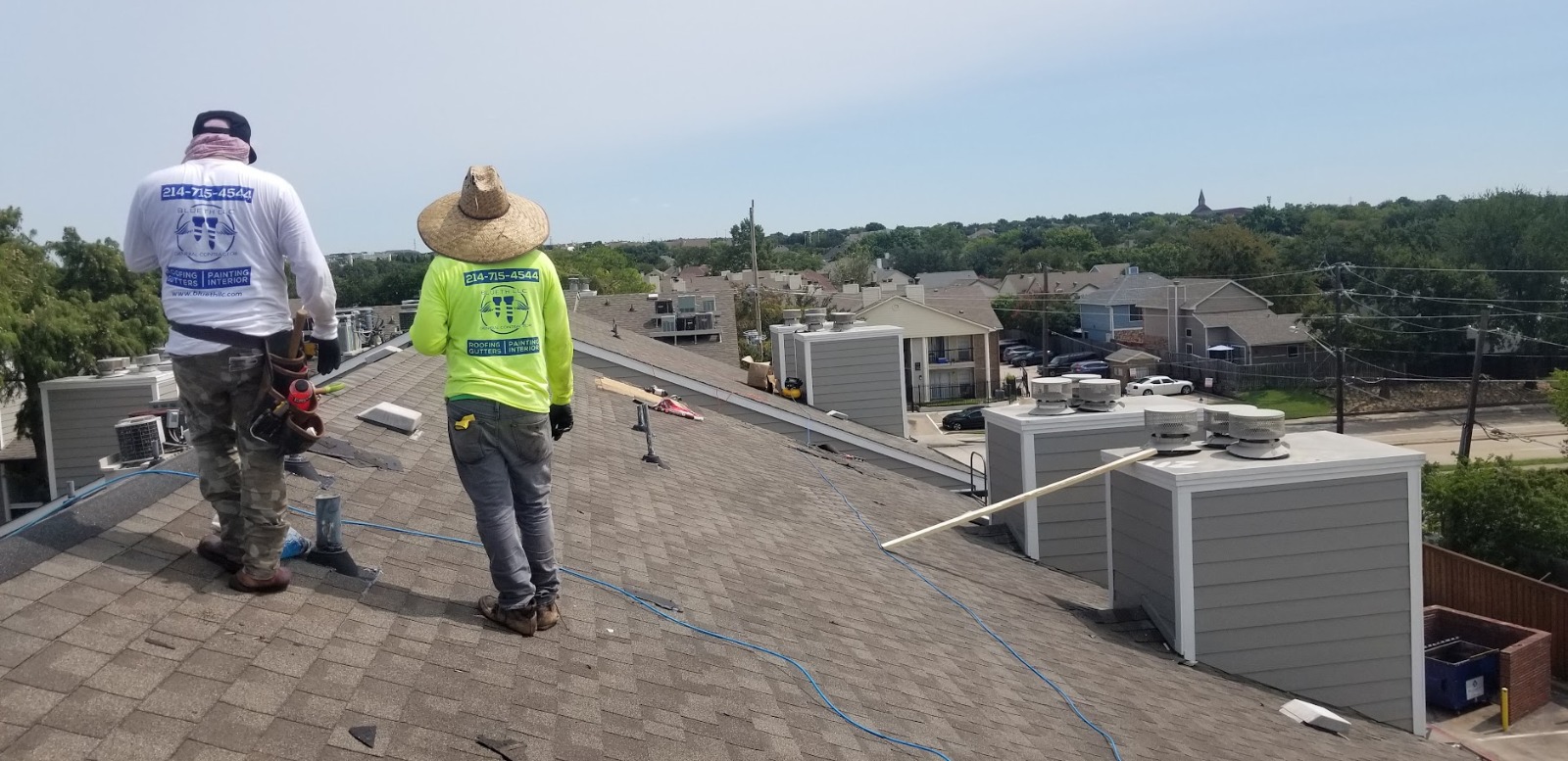 Roofing
Commercial Roofing Maintenance: How to Extend Your Roof's Lifespan
A practical maintenance plan for Dallas-Fort Worth commercial roofs, from drainage and flashings to storm follow-up.
Read More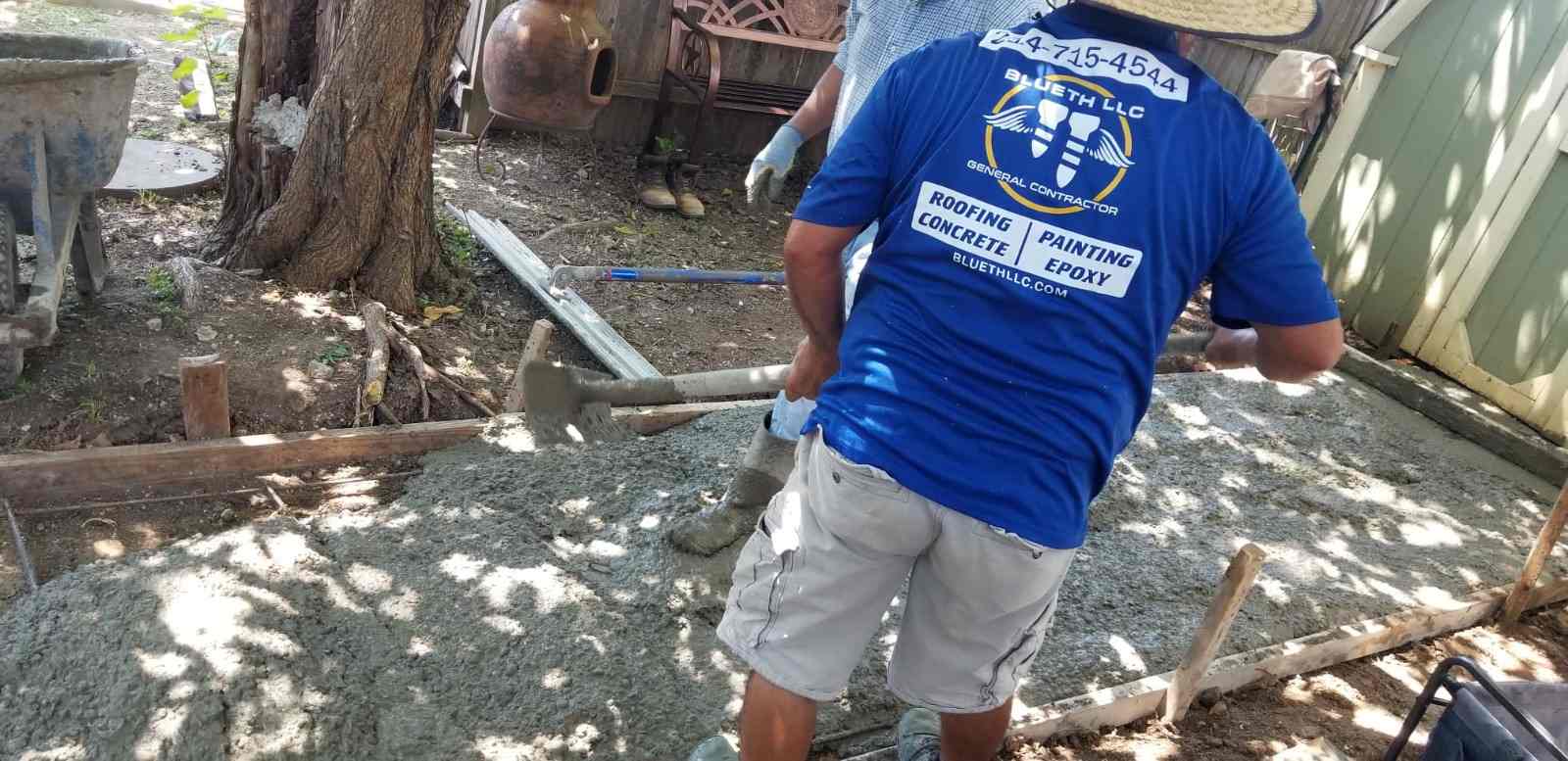 Concrete
Commercial Concrete Repair: Common Problems and When to Take Action
Cracking, settlement, spalling, and drainage problems on commercial slabs, and how to decide when a repair or a new pour is due.
Read More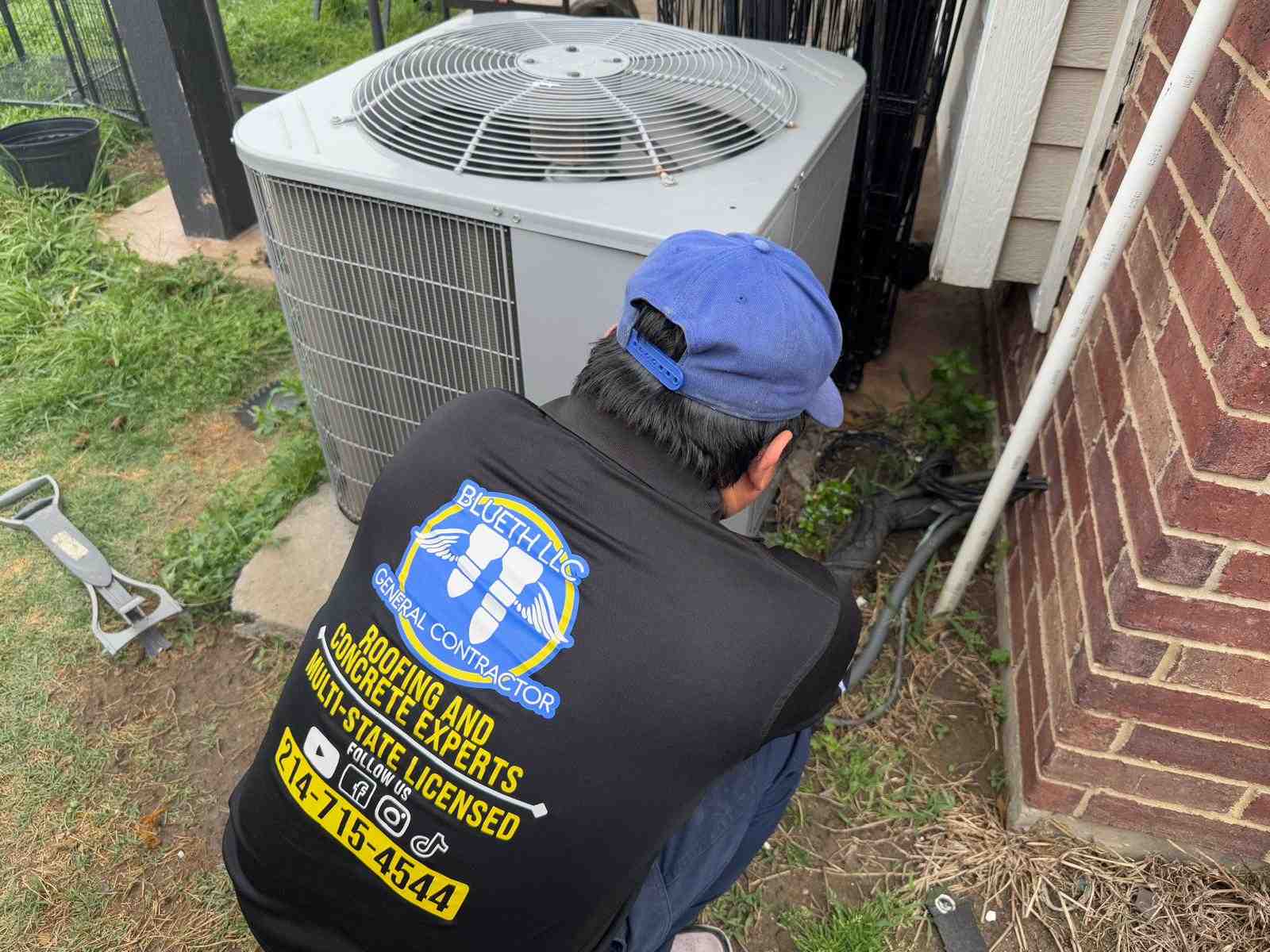 HVAC
Commercial HVAC Maintenance Tips for Dallas–Fort Worth Property Managers
What property managers should check on commercial and rooftop HVAC equipment before summer heat and winter fronts in DFW.
Read More