Commercial Roofing Maintenance: How to Extend Your Roof's Lifespan
A practical maintenance plan for Dallas-Fort Worth commercial roofs, from drainage and flashings to storm follow-up.
By Blueth LLC
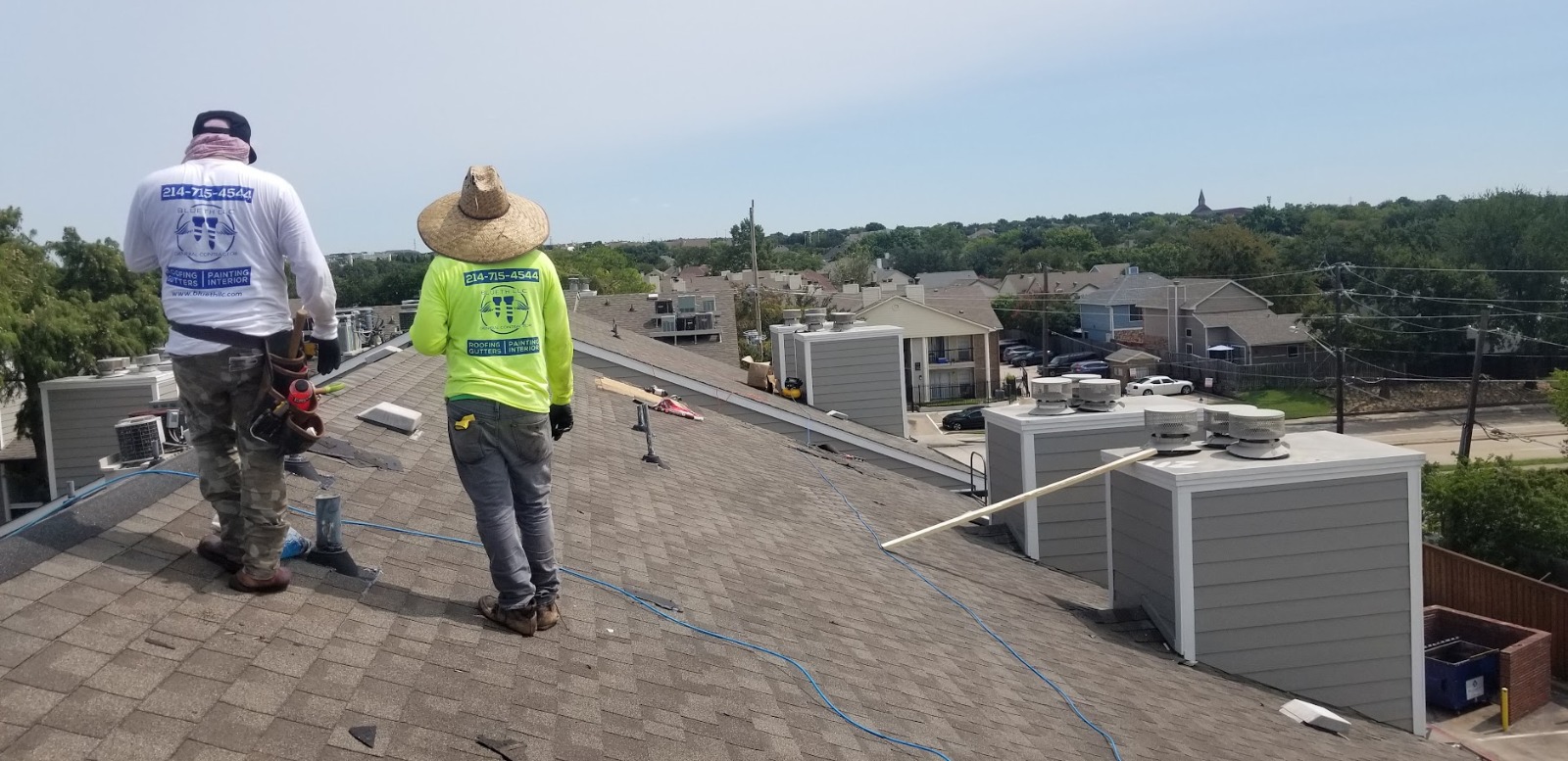
Commercial roof maintenance in Dallas-Fort Worth is mostly unglamorous work: clearing strainers, checking flashings, and writing down what changed since the last visit. That work is also what separates a roof that reaches its intended service life from one that is replaced early because a drain stayed clogged through a wet spring.
Grand Prairie, Arlington, Irving, Dallas, and Fort Worth buildings take the same seasonal pattern. Spring storms drop hail and wind-driven rain. Summer heat bakes ponding water against the membrane. Fall is the last easy window before winter fronts. A maintenance plan that ignores that calendar is just a folder of old invoices.
This guide is about keeping a roof that is still sound. If you already have active leaks, start with how to tell repair from replacement and an inspection, then come back to maintenance once the opening is closed.
What maintenance is, and what it is not
Maintenance is a scheduled look at the parts of the roof that move, clog, or get damaged by other trades. It includes debris removal, drain service, flashing and sealant checks, and a written note of new punctures or blisters.
It is not a substitute for a repair when the membrane is open, and it is not a coating sold as a cure for wet insulation. The NRCA roofing guidelines describe roof assemblies as systems. Maintenance respects that: you service the drains and the closures, and you escalate when the system itself is failing.
A year on a DFW roof
A simple plan is enough for most property managers.
- Spring inspection, after the first severe-storm season, with photos of hail bruises, lifted edge metal, and any interior stains.
- Early summer drainage check, before debris from trees and nearby construction packs the strainers.
- Fall inspection, with time left to complete repairs before winter rain.
- An extra visit within a few days of hail or a wind event that was strong enough to move debris on the ground.
The National Weather Service notes on thunderstorms describe the hail and wind that North Texas storms produce. You do not need a weather glossary on the roof. You do need a habit of walking the roof after those storms instead of waiting for a tenant call.
Drainage is the first maintenance item
Water that leaves the roof quickly is not sitting on seams. Water that cannot leave will find a way through something.
On each visit, check:
- Strainers and scuppers are clear, and the clamping ring on a drain is tight.
- Water has a path around equipment curbs. Crickets that have been crushed or removed will show up as a pond on the uphill side of the unit.
- Gutters and downspouts serving the edge are open. Overflow staining on a wall is a drainage finding even when the field of the roof looks dry.
- The roof surface is free of screws, bottles, and HVAC sheet-metal scraps that puncture the membrane or block a drain.
If water stands in the same place on every visit, cleaning the strainer will not fix it. The slope or the insulation has changed. That is a repair conversation, and it should be written into the report rather than "monitored" forever.
Gutter service belongs in the same loop when the edge metal and downspouts are part of how the building sheds water.
Flashings, penetrations, and other trades
Most leak calls Blueth LLC sees on otherwise decent membranes start at an edge or a hole that was cut for something else. A new condensate line, a sign anchor, a satellite cable, or a replacement curb can open a roof that was fine the month before.
Make roof access part of the work order for any vendor who goes up top. Ask them where they walked and whether they penetrated the membrane. Then look. Sealant squeezed around a new pipe is not the same as a proper flashing.
On the scheduled visit, look at:
- Wall and curb flashings for splits, open laps, and fastener rust.
- Pitch pans and pourable sealer that have shrunk and pulled away from the penetration.
- Expansion joints and area dividers.
- Skylight curbs and hatch gaskets.
Do not coat every joint in roof cement as a routine. Mastic cracks, holds dirt, and hides the next failure. Replace failed sealant at a joint that was designed to be sealed, and flash openings that were never meant to live on mastic alone.
Debris, foot traffic, and the membrane itself
Rock, broken glass, and screws walk into the roof on boot soles. A maintenance visit should include a sweep of the traffic paths between the hatch and the equipment, not only the drains.
Note soft spots underfoot. A spongy area can mean wet insulation. Mark it and photograph it. Do not cut the roof open unless the scope includes that investigation and the building can be dried in the same day.
Also note blistering, ridging, and exposed scrim. A single blister that is intact can often be watched. A field of broken blisters is no longer a maintenance item. That pattern is one of the signs covered in the repair and replacement article.
After a storm
Hail and wind deserve their own checklist, separate from the seasonal visit.
Photograph metal copings, the membrane in several locations, and any bruises before anyone spreads tarps. Save the date and a brief description. If interior water appeared, photograph that too, including the room and the time if you have it.
Temporary dry-in is appropriate when water is entering the building. It is not the finished repair. Schedule the permanent scope while the temporary work is still doing its job. Blueth LLC documents visible storm conditions and can prepare an estimate for the agreed repair or replacement. The insurance carrier decides what is covered.
Records that make the next visit faster
Keep a one-page log: date, who was on the roof, what was cleaned, what was photographed, and what was escalated. Attach the photos to the address, not to someone's email inbox.
Those records answer the questions that come up at budget season. Is this the third time the northwest drain has ponded? Did the leak at the kitchen hood start after the fan was replaced? A capital plan is easier to defend when the roof's history is in one place.
The same log supports the rest of the building. Roof leaks become masonry stains, wet ceilings, and indoor moisture. The EPA guide to mold and moisture is a plain explanation of why the water has to be stopped at the source. A wider seasonal list lives in the commercial building maintenance checklist.
Who should do the work
Clearing a ground-level downspout is building staff work. Walking a commercial roof, leaning over an edge drain, and repairing flashings is not. Falls and accidental punctures are the two ways a well-meant visit shortens a roof's life.
Hire a contractor who will write down what they found and separate maintenance from recommended repairs. Blueth LLC's roofing service covers inspections, repairs, and replacements for commercial property owners and managers across Dallas-Fort Worth. If the roof is one part of a larger exterior project, the commercial construction overview shows the other scopes the same team can coordinate.
Maintenance will not make a worn-out membrane young. Done on a schedule, it keeps small defects from becoming wet insulation, and it gives you a record when the repair-or-replace decision finally arrives. That decision is laid out in repair versus replacement.
Questions property managers ask
- How often should a commercial roof in DFW be inspected?
- Twice a year is a sound baseline for most low-slope roofs: once in spring and once in fall. Add a visit after hail, high wind, or any trade work that opened the membrane. Roofs with chronic ponding or heavy foot traffic may need shorter intervals.
- Can in-house staff do roof maintenance?
- They can clear debris from ground-level gutters and report stains. Walking a commercial roof, opening drains at the edge, and sealing flashings should be done by people with fall protection and roofing experience. A boot print through a membrane is an expensive kind of maintenance.
- Does maintenance replace the need for repairs?
- No. Maintenance finds small defects while they are small. It does not rebuild a membrane that is cracked across the field or a deck that is already wet. Those findings should become a repair or replacement scope, not another coat of roof cement.
- What records should a property manager keep?
- Inspection dates, photos, drain cleaning, repair invoices, and storm dates. Those records help the next contractor, the insurer, and anyone reviewing the capital plan. They also show whether the same leak is returning.
Related articles
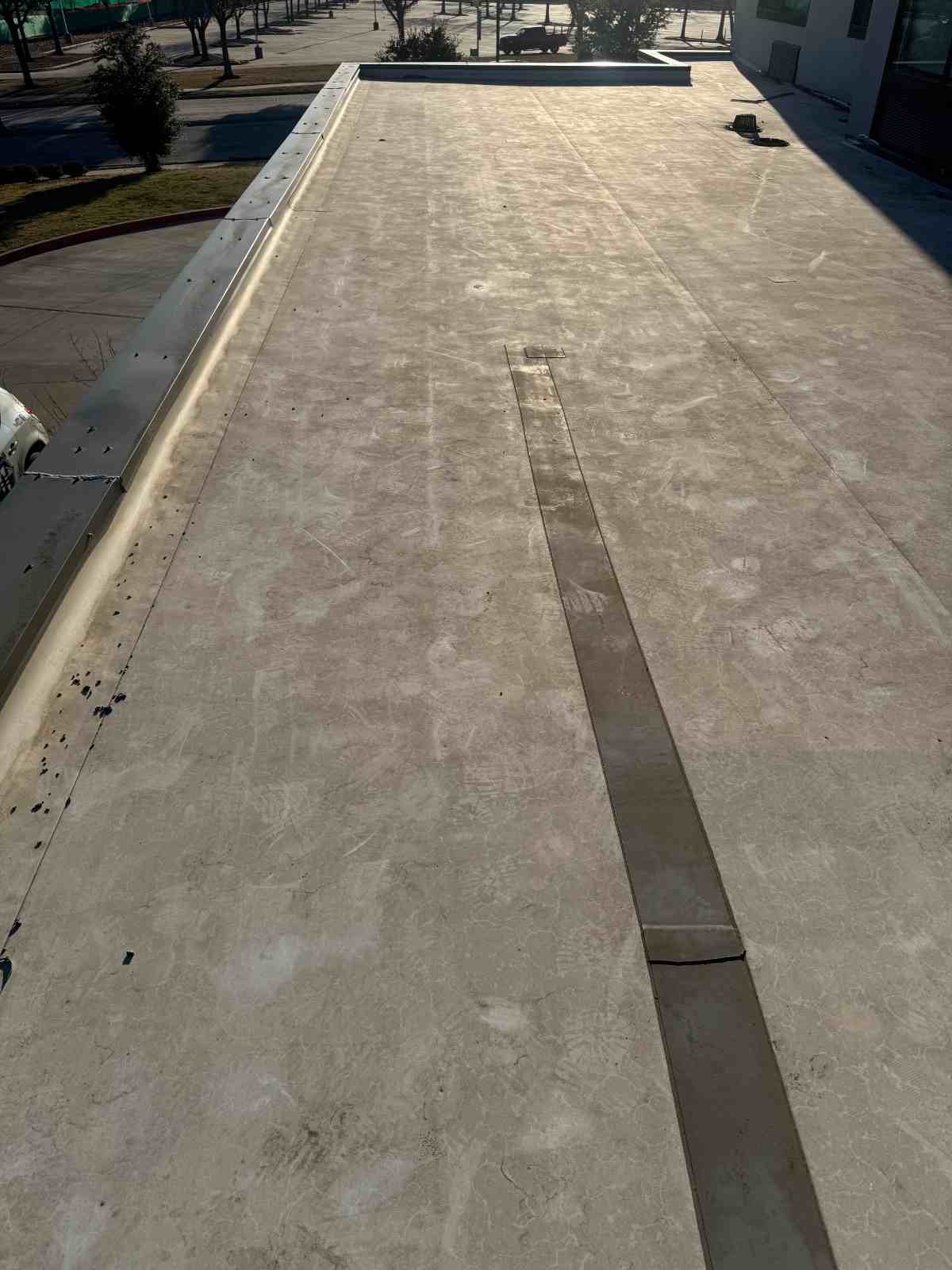 Roofing
How to Know When Your Commercial Roof Needs Repair or Replacement
Learn the key signs of roof damage, what to look for during inspections, and how to extend the life of your commercial roof.
Read More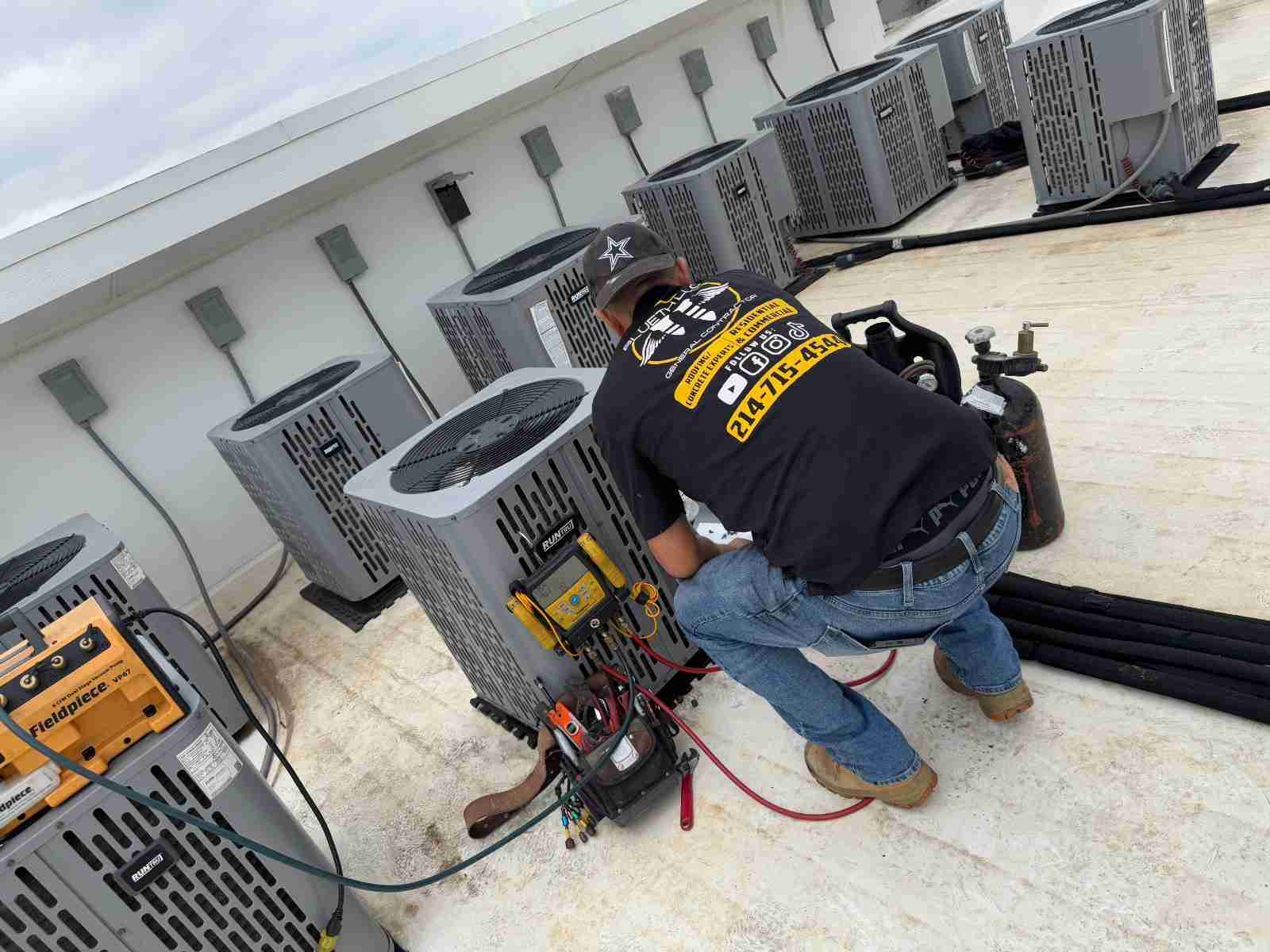 Roofing
Commercial Roof Repair vs. Replacement: Which Is Right for Your Building?
How to compare repair and replacement for a commercial roof using condition, leak history, age, cost, and disruption.
Read More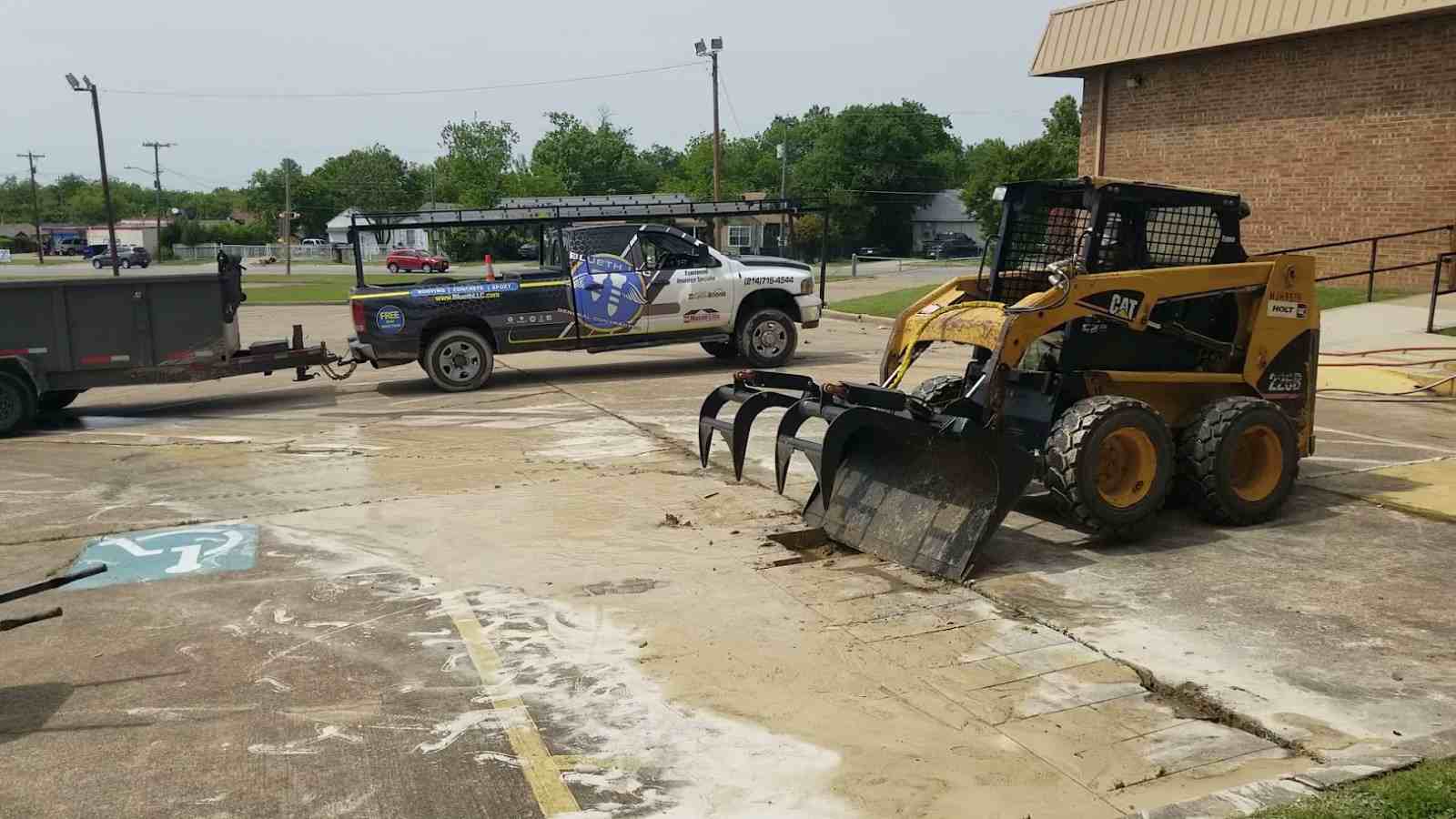 Guides
Commercial Building Maintenance Checklist for Property Managers
A seasonal checklist for roofs, drainage, concrete, walls, and rooftop equipment on Dallas-Fort Worth commercial properties.
Read More