Texas Roofing Insurance Deductibles: What the 2019 Law Actually Changed
House Bill 2102 did not create roof deductibles. Effective September 1, 2019, it requires the policyholder to pay the deductible and bars contractors from waiving it.
By Blueth LLC
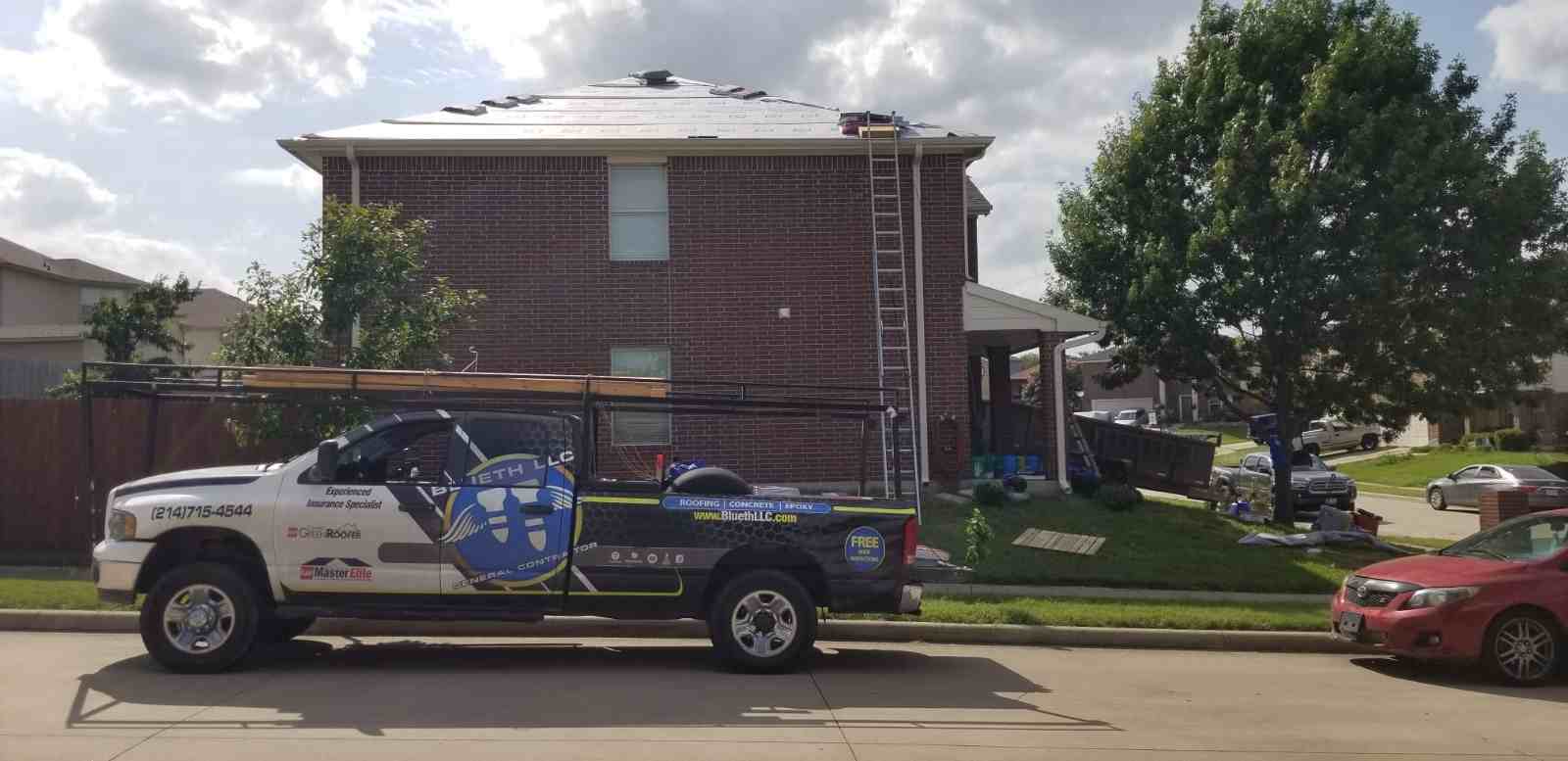
Property owners in Grand Prairie and across Dallas-Fort Worth still hear the same pitch after a hailstorm: a contractor will "take care of the deductible." That offer is not a discount. Under Texas law that took effect on September 1, 2019, it is a violation.
The law people are pointing at is House Bill 2102 from the 86th Legislature. The governor signed it on June 14, 2019, and it became effective September 1, 2019. It did not invent roofing deductibles. Policies already had them. What changed is the rule around payment. The insured person has to pay the deductible, and a contractor who expects to be paid from the claim cannot help the owner avoid that payment.
This is general information about a published statute, not legal advice. The policy and the carrier control the claim. The enrolled text of HB 2102 and Insurance Code Chapter 707 are the documents to read if a number on an estimate does not match what a salesperson promised.
What a deductible is
A deductible is the part of a covered loss the policyholder pays before insurance pays its share. On a roof, it might be a stated dollar amount or a percentage of the insured value. Two buildings on the same street can have different deductibles because the policies are different. A contractor does not set that number. The declarations page does.
After a storm, the deductible is often the largest check an owner writes on the project. That is why "we will waive it" became a sales line. The Texas Department of Insurance explained in August 2019 why that line is a problem: a contractor who gives away the deductible often makes the money back by cutting the work or inflating what is sent to the carrier.
What the 2019 law requires
Chapter 707 of the Insurance Code, added by HB 2102, is short. Section 707.002 says a person insured under a property insurance policy shall pay any deductible applicable to a first-party claim made under the policy. "Property insurance policy," in that chapter, means first-party coverage for loss of or damage to real property. It is not limited to a house, and it is not a special roofing-only statute. Roofing is simply where owners meet it most often, because hail claims are common in North Texas.
Section 707.004 matters at the end of the job. If the policy has replacement-cost coverage, the insurer may hold back recoverable depreciation until it receives reasonable proof that the deductible was paid. The statute lists examples of that proof, including a canceled check, a money-order receipt, a credit-card statement, or an executed installment agreement that requires the deductible to be paid in full over time. A verbal promise that "the roofer is eating it" is not on that list.
What a contractor is not allowed to do
The companion change is in Section 27.02 of the Business and Commerce Code. A person who sells goods or services commits an offense if, without the insurer's consent, they do any of the following on a job the insured will pay from claim proceeds:
- Pay, waive, absorb, or otherwise decline to charge or collect the deductible.
- Give a rebate or credit that offsets all or part of the deductible.
- Otherwise help the insured avoid actually paying the deductible.
The same section reaches advertising. Promising to waive or absorb the deductible, in a transaction that will be paid from the claim, is part of the offense, not a harmless slogan. The offense is a Class B misdemeanor. The Texas Department of Insurance describes the exposure as up to a $2,000 fine and up to six months in jail, and it tells consumers who hear the offer to call the Attorney General's Consumer Protection Hotline at 800-621-0508.
There is also a paperwork rule. A contract of $1,000 or more that is reasonably expected to be paid wholly or partly from a property-insurance claim must include a notice, in at least 12-point bold type, that Texas law requires the insured to pay any deductible and that it is a violation for the seller to knowingly allow the insured not to pay it. If a roofing contract tied to a claim does not have that notice, ask why before you sign.
How this shows up on a DFW roof
Dallas-Fort Worth hail does not change the statute. It only creates more claims. A sound sequence still looks like this:
- Document the roof and the interior before temporary covering hides the damage. Dates and photos matter.
- Open the claim with your carrier, or with a public adjuster who is allowed to represent you. A contractor who will also do the work should not act as your adjuster. The Texas Department of Insurance page on roofing and insurance explains that limit, along with the deductible rule.
- Get a written scope and price for the repair or replacement. Compare that scope with the carrier's estimate. Differences are usually about what is damaged, not about who will "cover" the deductible.
- Plan to pay the deductible yourself. Ask the contractor, in the proposal, to state that the deductible is excluded from any discount and will be collected.
- Keep proof of payment. You may need it before the carrier releases depreciation.
Blueth LLC can inspect a commercial roof, photograph visible conditions, and prepare an estimate. When a claim is involved, we can provide that documentation while the carrier decides coverage. We do not waive deductibles, and we do not negotiate the claim as an adjuster. Commercial roof inspections, repairs, and replacements are the work. The claim decision stays with the insurer.
If you are still deciding whether the roof needs a repair or a full replacement, start with the condition of the membrane, not with the deductible. Warning signs and the repair-versus-replacement comparison are the practical next reads. The deductible is owed either way if the policy applies it to the claim.
What to watch for in a proposal
A legal estimate can still be a bad scope. Read both.
- The price should describe tear-off or repair, flashing, drainage, and what is excluded.
- Any "insurance special" or "deductible assistance" needs a plain explanation. If the explanation is that you will not pay the deductible, walk away.
- Financing the deductible, in a real installment contract that you pay, is not the same thing as the contractor forgiving it. Section 707.004 treats an executed financing arrangement that requires full payment as one form of proof. A forgiven balance is not.
- The company name on the proposal should match the insurance certificate and the contract notice.
For a wider look at how to compare contractors, use the Grand Prairie hiring guide. Insurance paperwork is one line on that list. The scope of the roof is the rest.
A direct answer to the rumor
The 2019 change people remember is real. Texas added Chapter 707 and tightened Section 27.02 so that, starting September 1, 2019, the policyholder pays the property-insurance deductible and a contractor may not waive, absorb, or rebate it without the insurer's consent. It is a consumer-protection rule aimed at storm-chasing roof sales, not a new tax and not a new deductible amount.
If a current proposal conflicts with that, send the address and the paperwork and ask for an inspection of the roof itself. We will price the work. We will not price away your deductible.
Questions property managers ask
- Did the 2019 Texas law create roofing deductibles?
- No. Deductibles were already part of property insurance policies. House Bill 2102, effective September 1, 2019, says the insured person must pay any deductible on a first-party property claim, and it makes it illegal for a contractor to waive, absorb, or rebate that deductible without the insurer's consent.
- Can a roofer advertise that they will cover my deductible?
- No. The Texas Department of Insurance says it is illegal for a contractor or roofer to offer to waive a deductible or promise a rebate for all or part of it. If someone makes that offer, the department points consumers to the Texas Attorney General's Consumer Protection Hotline at 800-621-0508.
- Does this apply only to houses?
- The statute covers a person insured under a property insurance policy, which is first-party coverage for loss or damage to real property. That includes many commercial buildings as well as homes. Your policy, not a blog, decides the deductible amount and whether it is a flat dollar figure or a percentage.
- Will Blueth LLC waive a deductible to win the job?
- No. Blueth LLC inspects the roof, photographs visible conditions, and prepares an estimate for the agreed scope. We do not pay, waive, or rebate an insurance deductible, and we do not act as a public adjuster on a claim for work we would also perform.
Related articles
 Roofing
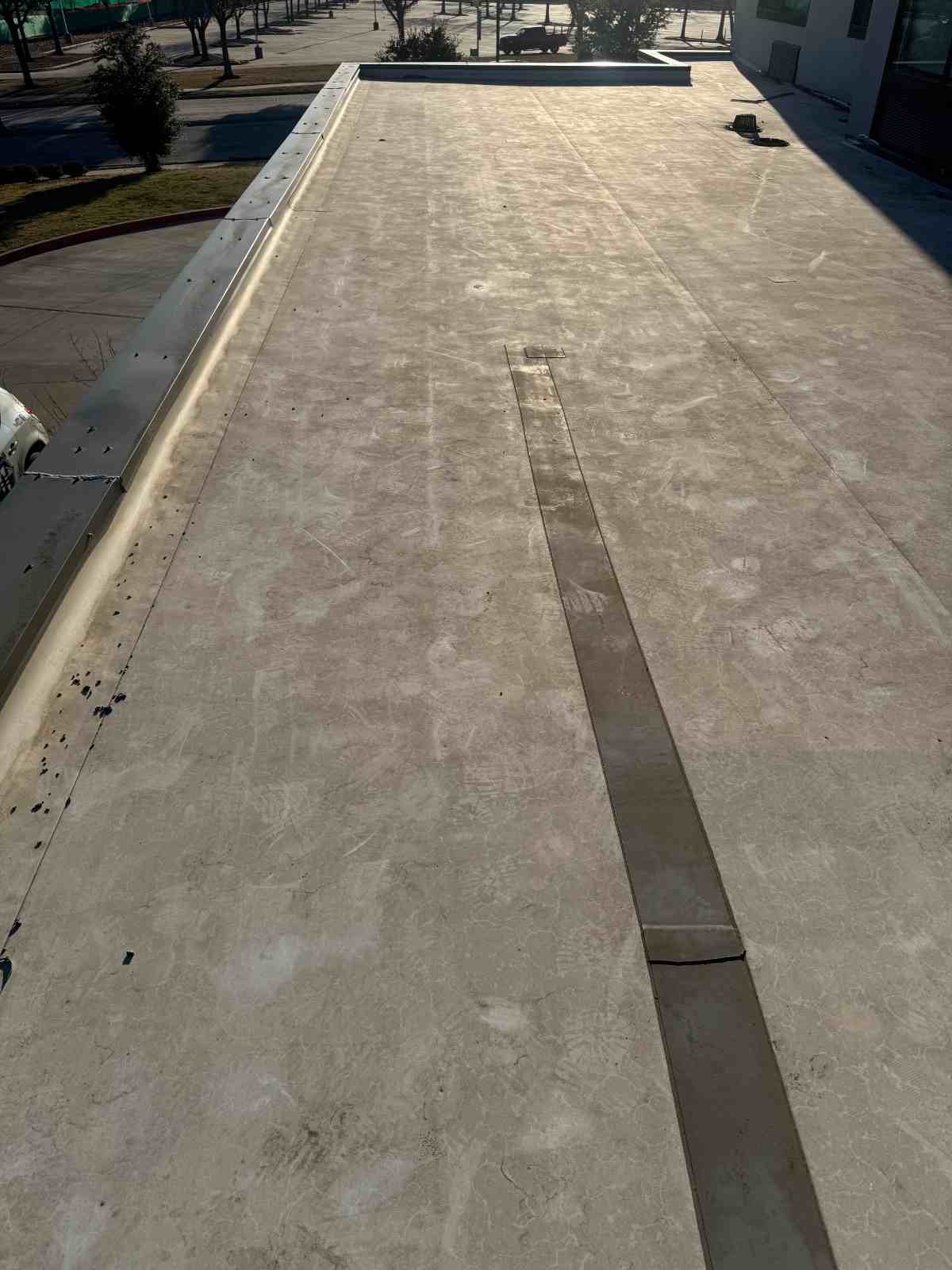
How to Know When Your Commercial Roof Needs Repair or Replacement
Learn the key signs of roof damage, what to look for during inspections, and how to extend the life of your commercial roof.
Read More Roofing
Commercial Roof Repair vs. Replacement: Which Is Right for Your Building?
How to compare repair and replacement for a commercial roof using condition, leak history, age, cost, and disruption.
Read More Construction
What to Look for When Hiring a Commercial Construction Contractor in Grand Prairie, TX
How property owners and managers in Grand Prairie can compare contractors on scope, insurance, schedule, and communication.
Read More