What to Look for When Hiring a Commercial Construction Contractor in Grand Prairie, TX
How property owners and managers in Grand Prairie can compare contractors on scope, insurance, schedule, and communication.
By Blueth LLC
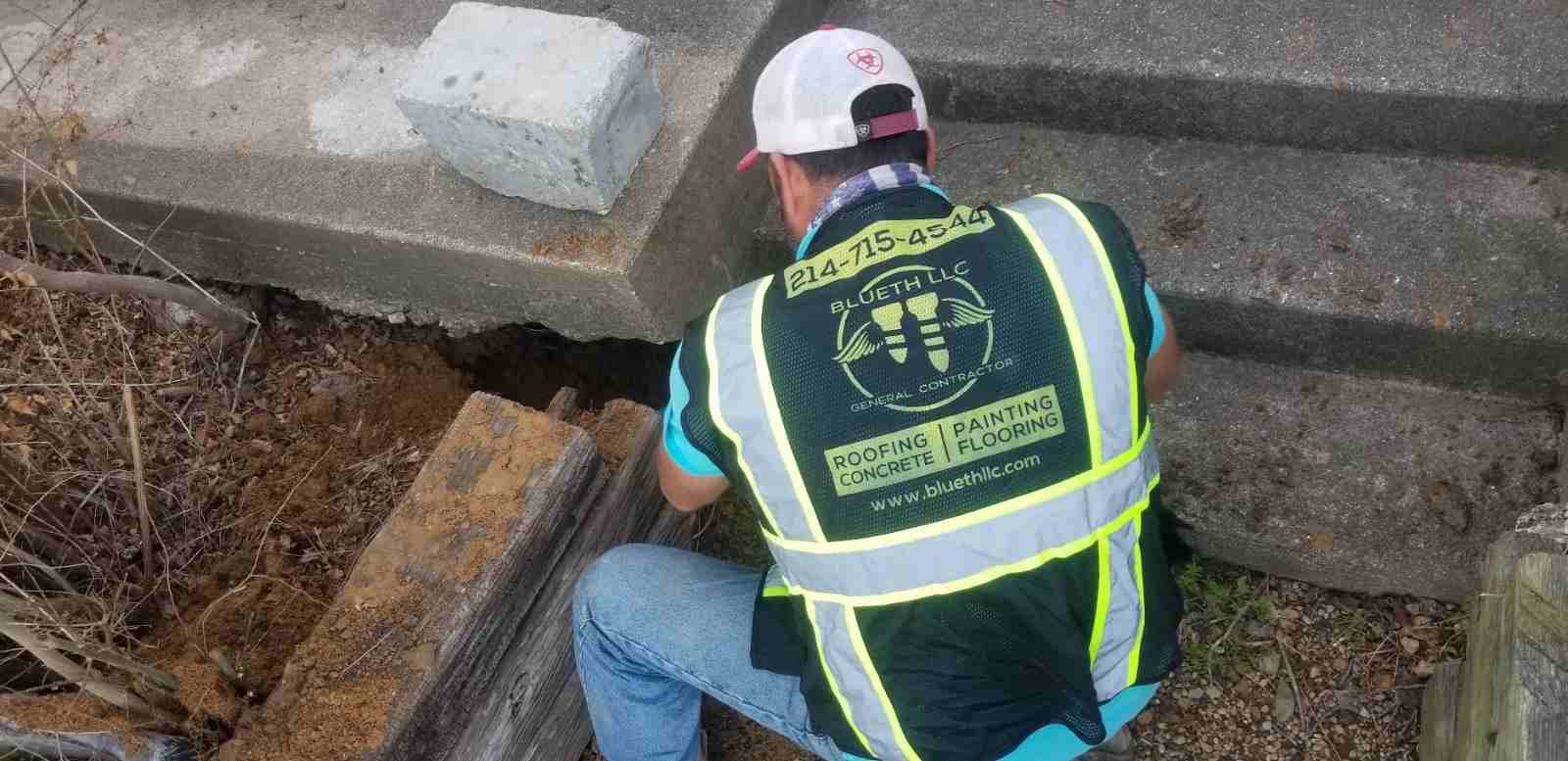
Hiring a commercial construction contractor in Grand Prairie, TX is less about a slogan and more about whether the proposal describes your building. Property managers and owners get into trouble when they compare a price without comparing the work: one bid includes new flashings and haul-off, the next one assumes the existing metal stays, and both totals look like the same job.
Blueth LLC is a family-owned commercial and general contractor based in the Dallas-Fort Worth area, licensed, insured, bonded, and GAF Certified, working on roofing, concrete, masonry, rooftop HVAC coordination, gutters, siding, fencing, and related property work since 2016. This article is about how to evaluate any contractor, including us, before you authorize a scope.
The work itself lives on the commercial services page. Use that list as a check against what a proposal claims to cover.
Start with the problem, not the trade
"We need a roofer" is sometimes true. It is also sometimes a leak that began at a masonry wall, a clogged gutter, or a rooftop unit that was reset on a curb without new flashing. Describe the symptom and the outcome: the northwest suite leaks in hard rain, the slab at the loading dock has settled, the brick at the entry is spalling.
A contractor who only sells one material will see the problem through that material. A contractor who can look at the roof, the wall, and the flatwork can tell you which of those is actually letting water in. That is the value of a commercial contractor rather than a stack of unrelated vendors who never stand on the site together.
Qualifications you can verify
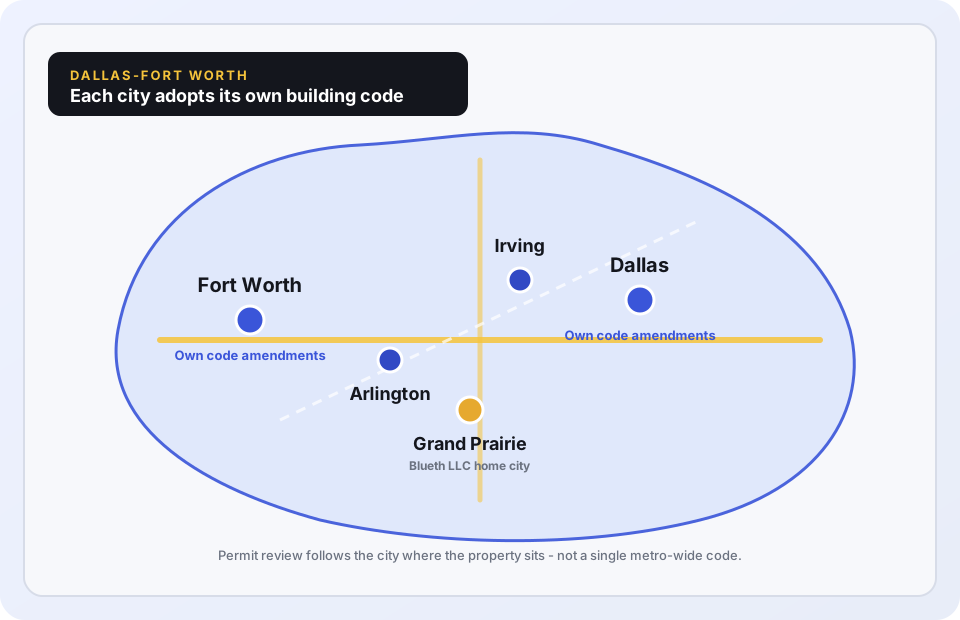
Ask for documents, and read them. Also ask which city's building code the scope follows. Grand Prairie, Dallas, Fort Worth, Arlington, and Irving do not enforce one shared code, which is laid out in building codes by city.
- Licensing that matches the work and the city. Grand Prairie and neighboring cities do not all use the same permit path. The proposal should say who pulls the permit.
- General liability and workers' compensation certificates, dated and in the company's name.
- Bonding, if your owner, lender, or public project requires it.
- Manufacturer credentials where they matter. For roofing, GAF certification is relevant because it ties installation to a manufacturer's program. It does not, by itself, tell you the contractor will communicate well.
Then ask what the company has finished that resembles your building. A house re-roof and a low-slope commercial membrane are different assemblies. Photos of completed commercial work are more useful than a generic portfolio. Blueth LLC's project gallery is one place to see the kind of exterior and building work the company documents.
The scope is the bid
A proposal you can compare has quantities and boundaries.
It names the address, the areas included, and the areas excluded. It says what will be removed, what will be installed, and what happens to debris. It lists flashing, drainage, and penetrations instead of "roof repair as needed." It says whether equipment will be lifted, whether the building stays open, and how the site will be protected.
If two numbers are far apart, put the scopes in two columns before you decide the higher one is wasteful or the lower one is a bargain. Missing drainage, missing night work, or missing temporary protection is not a discount. It is a different project that will be priced later as a change order.
For roof-specific decisions, the repair versus replacement guide shows the questions a roofing scope should answer. For flatwork, the concrete problems article does the same for slabs and paving.
Schedule, access, and the people who occupy the building
Commercial work fails in the field when the schedule ignores the tenant. A restaurant cannot take a roof opening over the kitchen at Friday lunch. A clinic cannot lose entry during peak hours. A warehouse can often give a dock and cannot give the whole yard.
Ask:
- How many days the crew will be on site, and which days are weather-dependent.
- What the building occupants will hear, smell, or lose access to.
- Who the daily contact is, and how leaks or safety issues get reported after hours during the job.
- How the work area will be kept off limits to customers and staff.
A short written schedule beats a verbal "about two weeks." Weather in Dallas-Fort Worth will move exterior work. The contractor should say how a rain day is communicated, not pretend the calendar is guaranteed.
Exterior projects also disturb soil and runoff. If the work opens ground or replaces paving, ask how sediment and wash water will be handled. The EPA's page on construction stormwater explains why active job sites are expected to keep soil and debris out of the drainage system. You are not hiring the contractor to recite the regulation. You are hiring them to run a site that does not send mud into the drive and the street.
Insurance, safety, and who is actually on the roof
Fall exposure, hot work, and overhead loads are normal on commercial exteriors. Ask who supervises the crew and whether subcontractors are covered by the certificate you were shown. A proposal that names a company and a job site full of unnamed labor is a question, not a comfort.
You should also know what the crew will not do. Blueth LLC does not need to be every trade on a building. The honest version of a commercial contractor is the one who will say when a scope is outside the work they perform, and who will coordinate the pieces they do perform so the roof is not opened twice.
Estimates and how decisions get made
A useful estimate arrives after someone has seen the property, or after you have sent enough photos and access information for a defined scope. "Free estimate" should mean the visit and the number, not a commitment disguised as a courtesy.
Read the payment schedule. Deposits that match material order are normal. A demand for the full price before any work is not. Change-order language should say how a hidden condition, such as wet decking found after tear-off, will be priced and approved before the crew continues.
Keep the estimate, the photos, and the final invoice. They are the maintenance record for the next manager. The building maintenance checklist is easier to run when each capital project left a file behind.
Communication you will actually get
During the job you want three things: what happened today, what is blocked, and what you need to decide. A contractor who sends that in a short email or text will feel more expensive on day one and cheaper by the end of the punch list.
Before you sign, ask for the person who answers the phone when something leaks on a Saturday of an active job. Then ask for one reference from a property manager, not only from a homeowner, if the work is commercial. A manager will tell you whether the crew showed up when the building was open and whether the punch list actually closed.
A practical way to choose
Score the contractors you are considering on the same five lines: verified insurance and license, a scope you can compare, a schedule that respects occupants, a clear change-order path, and a person who communicates. Price is the sixth line, read only after the first five match.
Talk to Blueth LLC about a commercial project in Grand Prairie or greater DFW. Share the address, a few photos, and what you need the building to do when the work is finished. If the issue is already a leak, a cracked slab, or failing brick, these guides go one level deeper: roof warning signs, concrete problems, and masonry warning signs.
The right contractor is the one whose proposal you could hand to a colleague and have them understand the work without a phone call.
Questions property managers ask
- Should I hire one contractor or several specialists?
- Separate contracts can work when the scopes do not touch, such as interior painting and an unrelated parking-lot pour. Roofing, masonry, concrete, and rooftop equipment that share access and weather exposure are usually cleaner under one coordinated scope, with one schedule and one punch list.
- What insurance should a commercial contractor carry?
- Ask for current certificates of general liability and workers' compensation, and confirm the limits meet what your lease or lender requires. A certificate is a snapshot. Check the dates and that the name on the certificate matches the company on the proposal.
- Is the lowest bid the wrong bid?
- Not always, but only if the scope is the same. A low number that excludes drain replacement, flashing, or haul-off is not comparable to a bid that includes them. Line the proposals up by task before you compare the totals.
- How do I start a project with Blueth LLC?
- Call or use the contact page with the address, photos, and the outcome you need. Blueth LLC reviews the property and the requested scope, then prepares an estimate. The commercial services page lists the exterior and building scopes the company actually performs.
Related articles
 Construction
Building Codes in Dallas–Fort Worth: What Changes From City to City
Grand Prairie, Dallas, Fort Worth, Arlington, and Irving do not enforce one identical building code. Here is how those local codes affect a commercial project.
Read More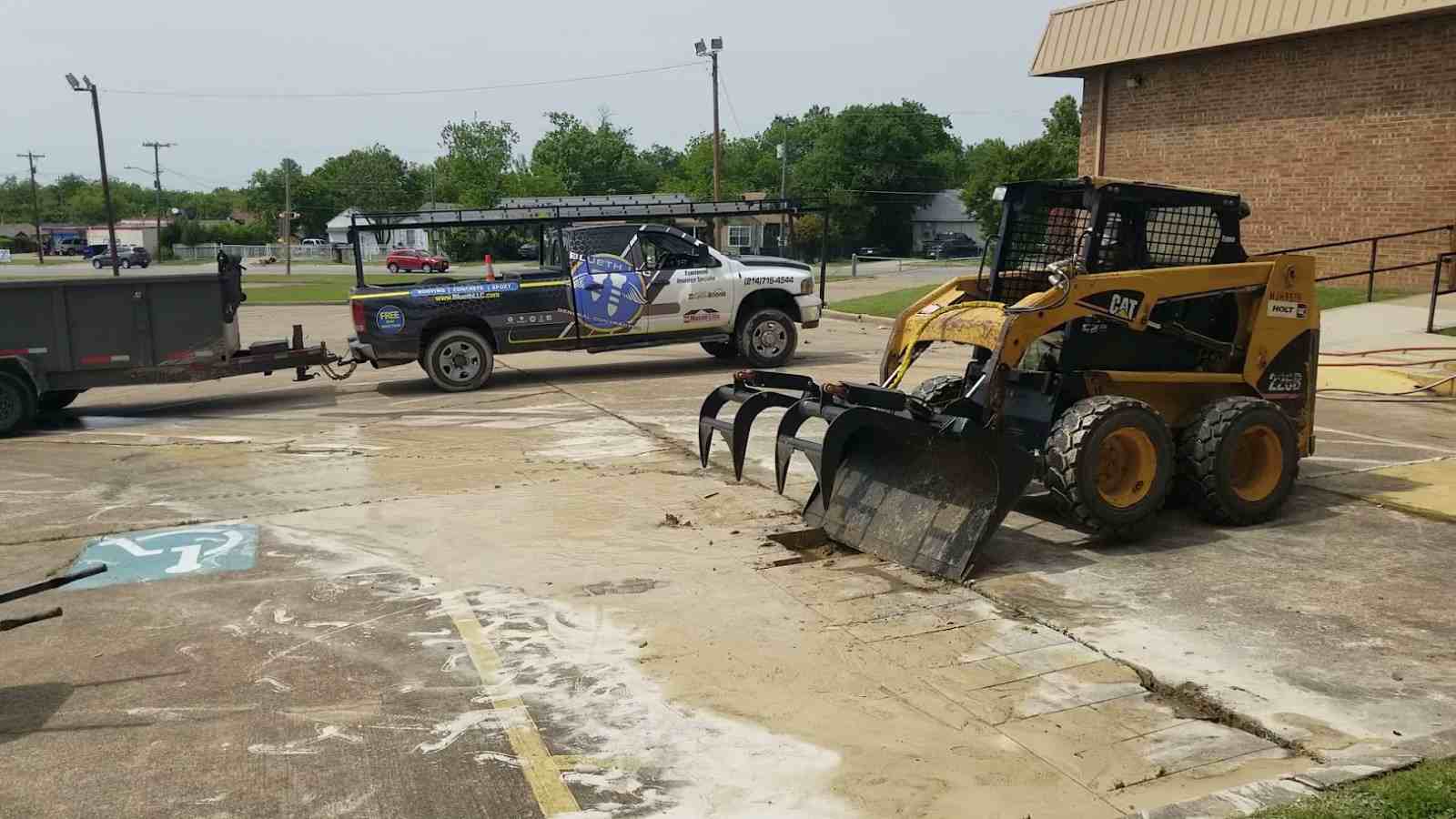 Guides
Commercial Building Maintenance Checklist for Property Managers
A seasonal checklist for roofs, drainage, concrete, walls, and rooftop equipment on Dallas-Fort Worth commercial properties.
Read More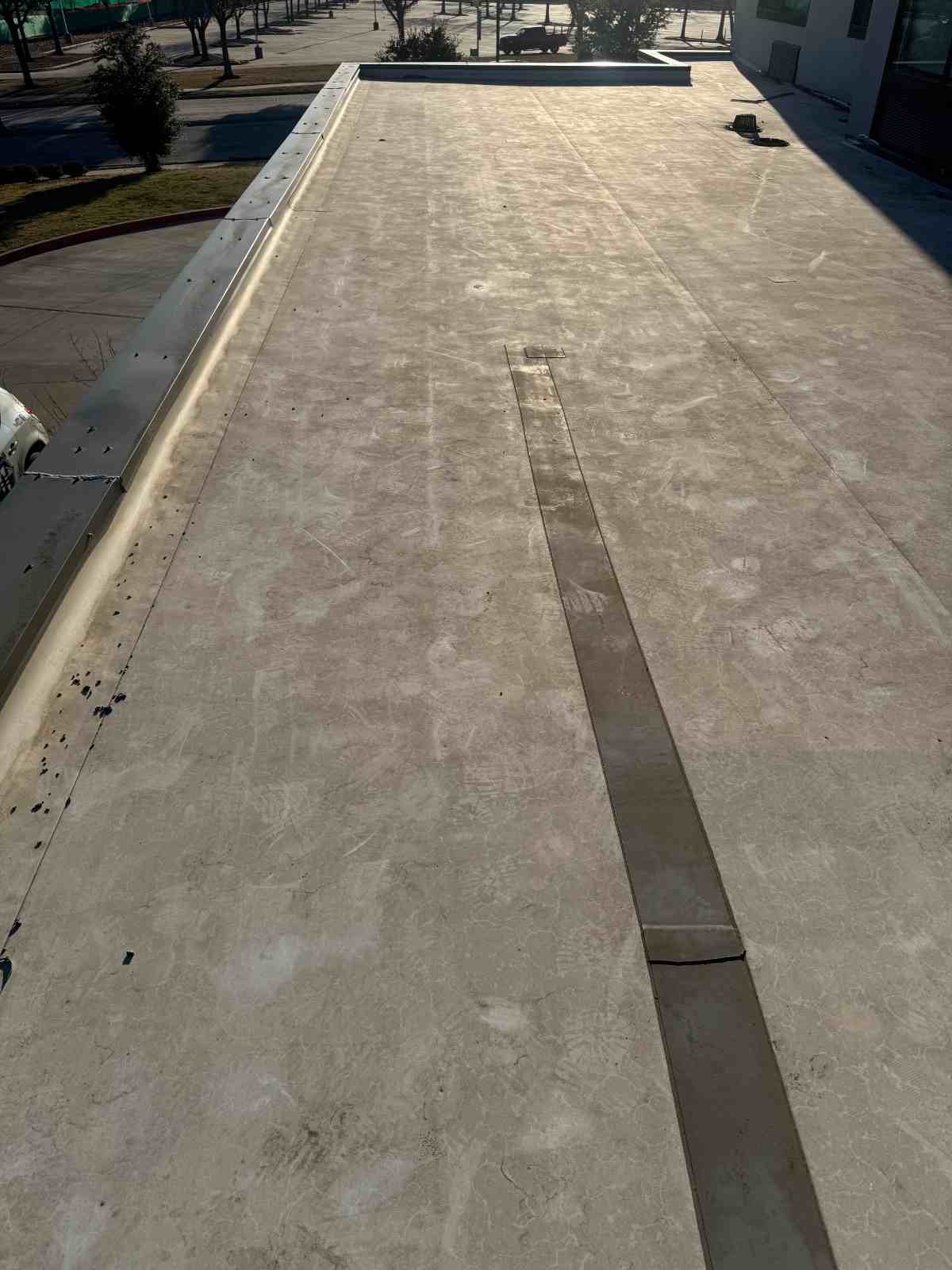 Roofing
How to Know When Your Commercial Roof Needs Repair or Replacement
Learn the key signs of roof damage, what to look for during inspections, and how to extend the life of your commercial roof.
Read More